Autonomous drone validates wildlife radio tracking
A peer-reviewed study validated the autonomous aerial tracking approach that underpins Wildlife Drones technology.
Evidence notes
- The Science Robotics paper published on October 31, 2018 addressed ground tracking limits that affect small tagged animals, including many bird and mammal species.
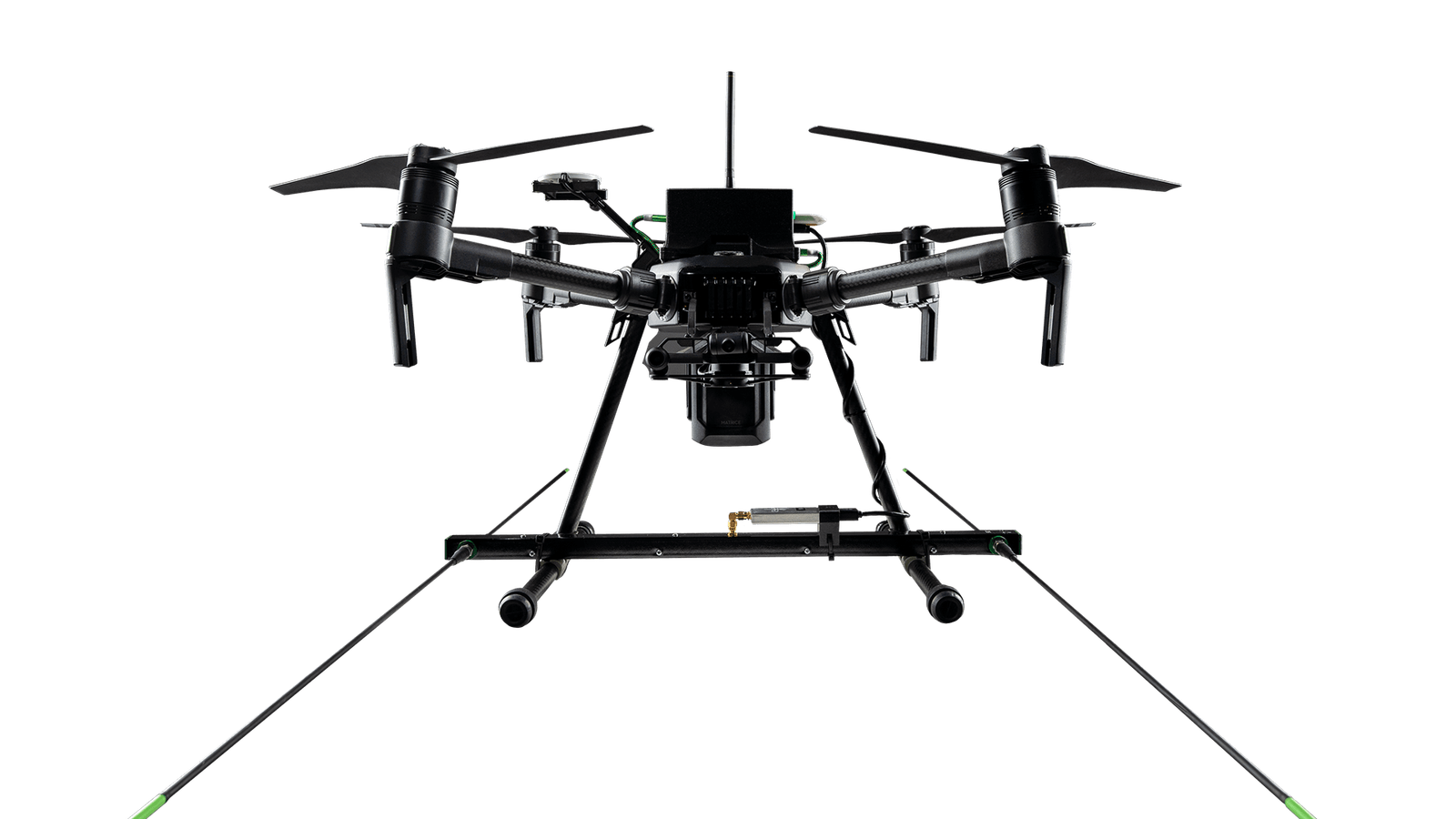
- Researchers combined a lightweight aerial robot, miniaturized sensor, Bayesian data fusion and information-based flight planning to locate critically endangered swift parrots.
- Estimated bird positions were within about 50 metres on average, and the robot produced a correct estimate as fast as or faster than experienced human trackers where signals were detectable.
Company context
Wildlife Drones develops airborne radio-telemetry payloads and mapping software for locating tagged animals. The system can track multiple VHF tags at once across terrain that is slow or difficult to survey with handheld receivers, supporting conservation, research and invasive-species management.