
Apera AI is building Vue 9.52 into 4D vision-guided robot cells
Apera AI tied Vue 9.52 and faster Forge training to factory vision cells, Linamar machine tending, 0.3-second guidance, and synthetic-data robot training.
The Vancouver company was co-founded by Sina Afrooze and Armin Khatoonabadi. Afrooze was a founding engineer at Avigilon, later acquired by Motorola for $1.2 billion, and contributed to the SageMaker Reinforcement Learning service at AWS. Apera's product path follows that background into computer vision, simulation, and robot guidance compressed into a factory-deployable workflow.
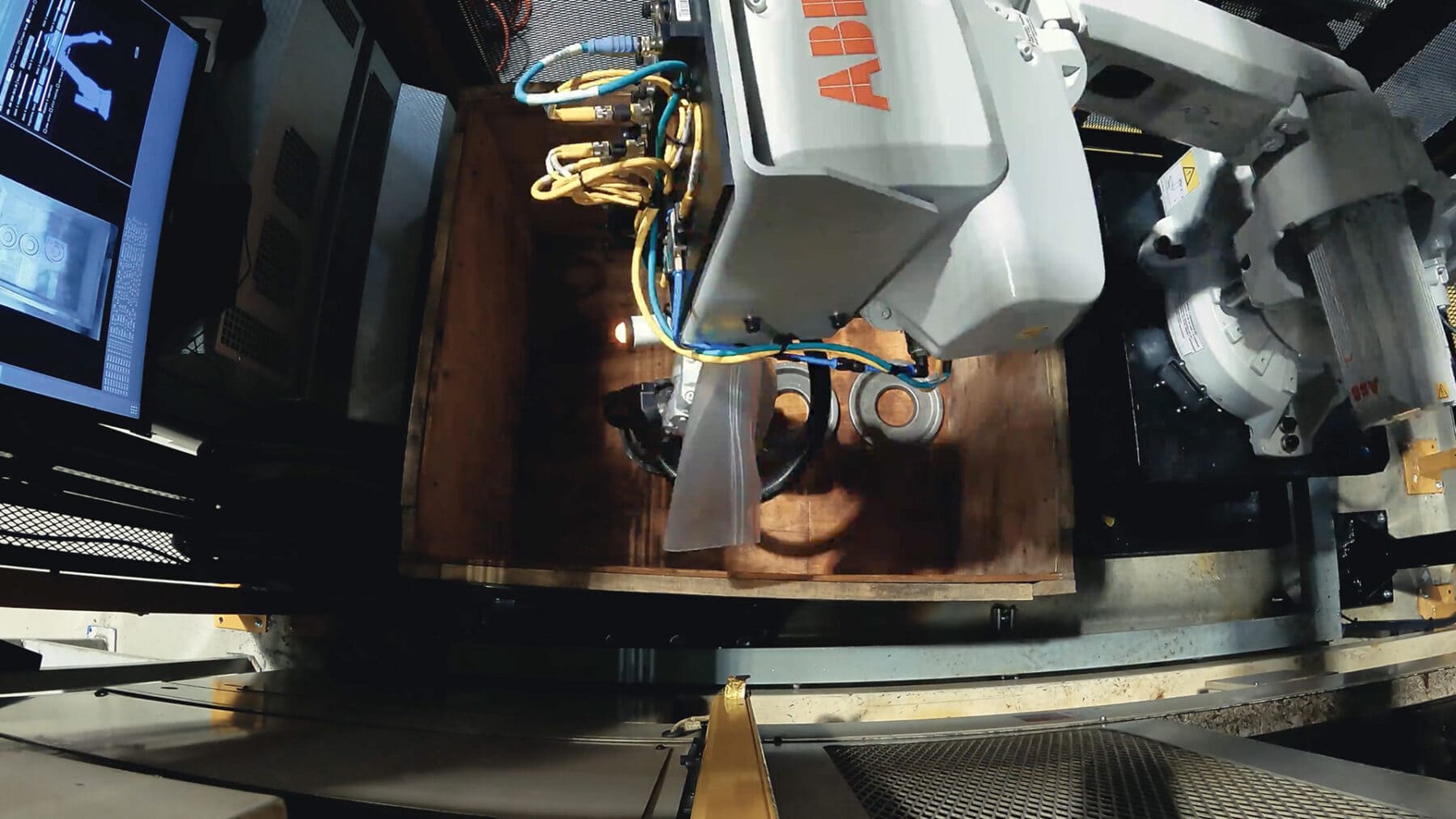
Apera 4D Vision uses pairs of 2D cameras to build 3D understanding of a robot work area. A single Vue computer can run up to four camera pairs, prioritize pickable objects, and provide path-planning instructions through the robot controller in as little as 0.3 seconds. Forge moves training upstream, letting teams simulate cells, train neural networks through digital cycles, validate calibration, and push trained vision programs into Vue before the physical cell is fully built.
The competitive field includes Keyence and Cognex vision systems, Photoneo, Mech-Mind, SICK, Pick-it, FANUC iRVision, ABB vision integrations, and custom machine-vision work by integrators. Apera's distinction is rapid synthetic-data and camera-pair setup for 4D vision-guided cells, aimed at manufacturers that need vision reliability without weeks of floor data collection.
Public material does not show deployed cell count across customers, customer-level uptime, intervention frequency, failure modes by part type, or verified setup time across many integrators. The strategic question is whether Apera can make vision-guided cells faster to commission without sacrificing reliability. If Vue and Forge keep shrinking setup time in real factory cells, Apera becomes a workcell-enablement layer for manufacturers that want robot guidance without custom vision projects.
Have a robotics update Korthos should review? Send news, deployments, product releases, funding rounds, research, or media to tips@korthos.xyz or reach out on X at @agkorthos.