
Diligent Robotics is turning Moxi hospital robots into a clinical logistics layer
A Serve Robotics acquisition, 1.25 million hospital deliveries, and Moxi 2.0 roadmap give Diligent a clinical logistics footprint across pharmacy, lab, and supply routes.
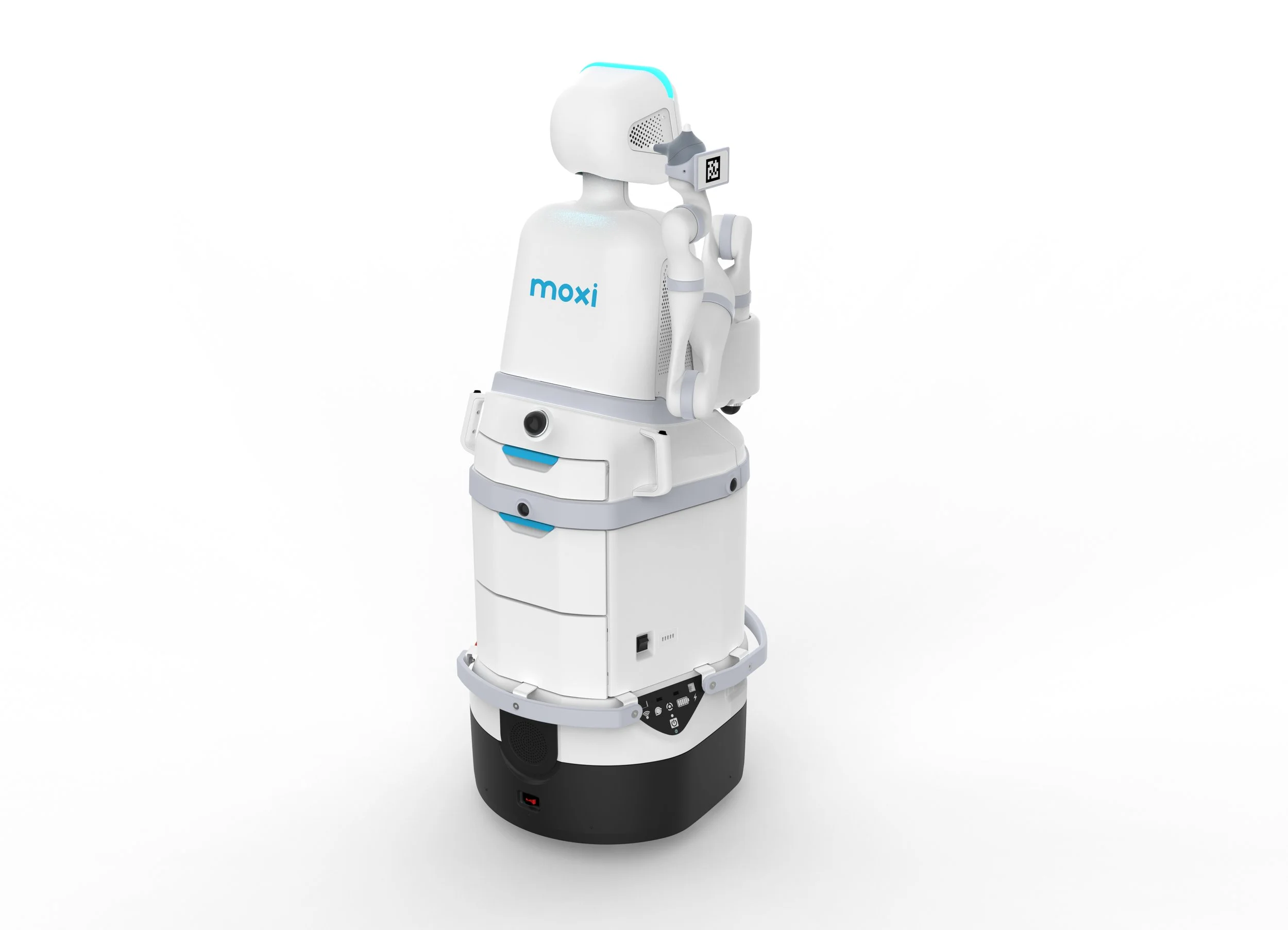
Andrea Thomaz and Vivian Chu founded Diligent in 2017 after careers in human-robot interaction. Thomaz is CEO and co-founder, with MIT Media Lab and University of Texas at Austin social robotics work behind the company origin. Chu is co-founder and chief innovation officer. Diligent raised $25 million in new financing in September 2023, with Canaan leading the round.
The competitive field includes Aethon/TUG hospital robots, Relay Robotics, Swisslog hospital logistics, Fetch/Zebra AMRs, pharmacy automation vendors, and human courier workflows inside hospitals. Diligent's distinction is social-robotics-informed hospital deployment with a visible delivery count and a humanoid form designed around staff-facing logistics rather than patient interaction.
Public material still does not disclose hospital-level retention, utilization by robot, route-level uptime, maintenance response time, or detailed annual sales by site beyond Serve's expected $200,000 to $400,000 per hospital range. The strategic question is whether dense Moxi fleets can become normal clinical logistics infrastructure. If hospitals operate 15-plus robots per site with stable utilization, Diligent becomes a hospital workflow layer inside Serve's broader physical AI portfolio.
Have a robotics update Korthos should review? Send news, deployments, product releases, funding rounds, research, or media to tips@korthos.xyz or reach out on X at @agkorthos.