
Plus One Robotics is building InductOne parcel cells into supervised induction

A 2 billion pick record, 3,300-per-hour peak induction rate, and Yonder exception desk give Plus One Robotics a parcel-handling control path.
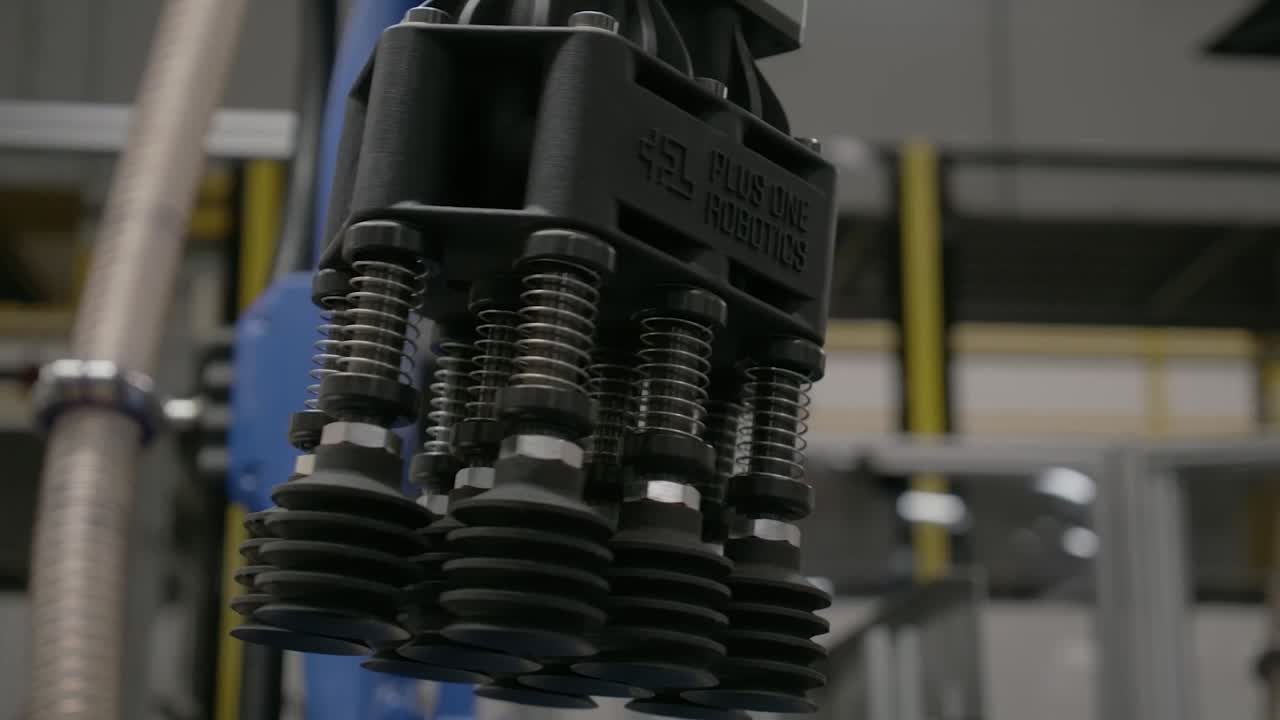
Plus One Robotics passed 2 billion successful picks across its global fleet of parcel induction and depalletization robots in April 2026, two years after reaching its first billion. That volume gives the company a stronger operating spine than a new-cell launch alone: it has lived inside parcel automation long enough to accumulate meaningful production exposure.

Plus One was founded in San Antonio in 2016 by CEO Erik Nieves and CTO Shaun Edwards. Its chronology records PickOne v1.0 in 2018, Yonder remote supervision in 2019, and first robot deployments at the FedEx Memphis Hub in 2020. The company's core product lane is parcel induction and depalletization, where speed, package variation, and exception handling define the economics.

InductOne is the current dual-arm automated parcel induction cell. It sustains 2,300 picks per hour and reaches a peak rate of 3,300 picks per hour, supporting parcels up to 15 pounds and up to 27 by 19 by 17 inches. The package includes two robots, PickOne software, and Yonder remote supervision.

The supervised workflow is a strength rather than a hidden caveat. PickOne classifies package type and sets grip strategy, while Yonder gives human operators a remote exception desk when a parcel presents badly or multiple items appear. That structure fits parcel operations, where full autonomy is less important than keeping the line moving through damage, glare, odd shapes, and poorly separated packages.

The competitive field includes Berkshire Grey, Mujin, Pickle Robot, Dexterity, OSARO, RightHand Robotics, conventional parcel induction equipment, and manual induction crews. Plus One's distinction is production pick volume paired with explicit remote supervision, giving customers automation throughput without pretending every edge case disappears.

Public material does not show customer-level picks per robot, remote intervention rate, gripper replacement interval, parcel damage rate, cost per successful pick, renewal rates, robot count by customer, service response time, or throughput degradation by package class. The strategic question is whether Plus One can turn two billion picks into a durable operating advantage. If InductOne keeps parcel lines productive while Yonder contains exceptions, Plus One becomes a supervised parcel-induction layer for high-volume logistics networks.

Have a robotics update Korthos should review? Send news, deployments, product releases, funding rounds, research, or media to tips@korthos.xyz or reach out on X at @agkorthos.

Referenced on Korthos

Track the machine economy

Regular Korthos briefings on robotics, drones, physical AI, supply chains, funding, product launches, and the companies shaping the stack.