
Pudu Robotics is building D9 humanoid hardware into service-robot manipulation
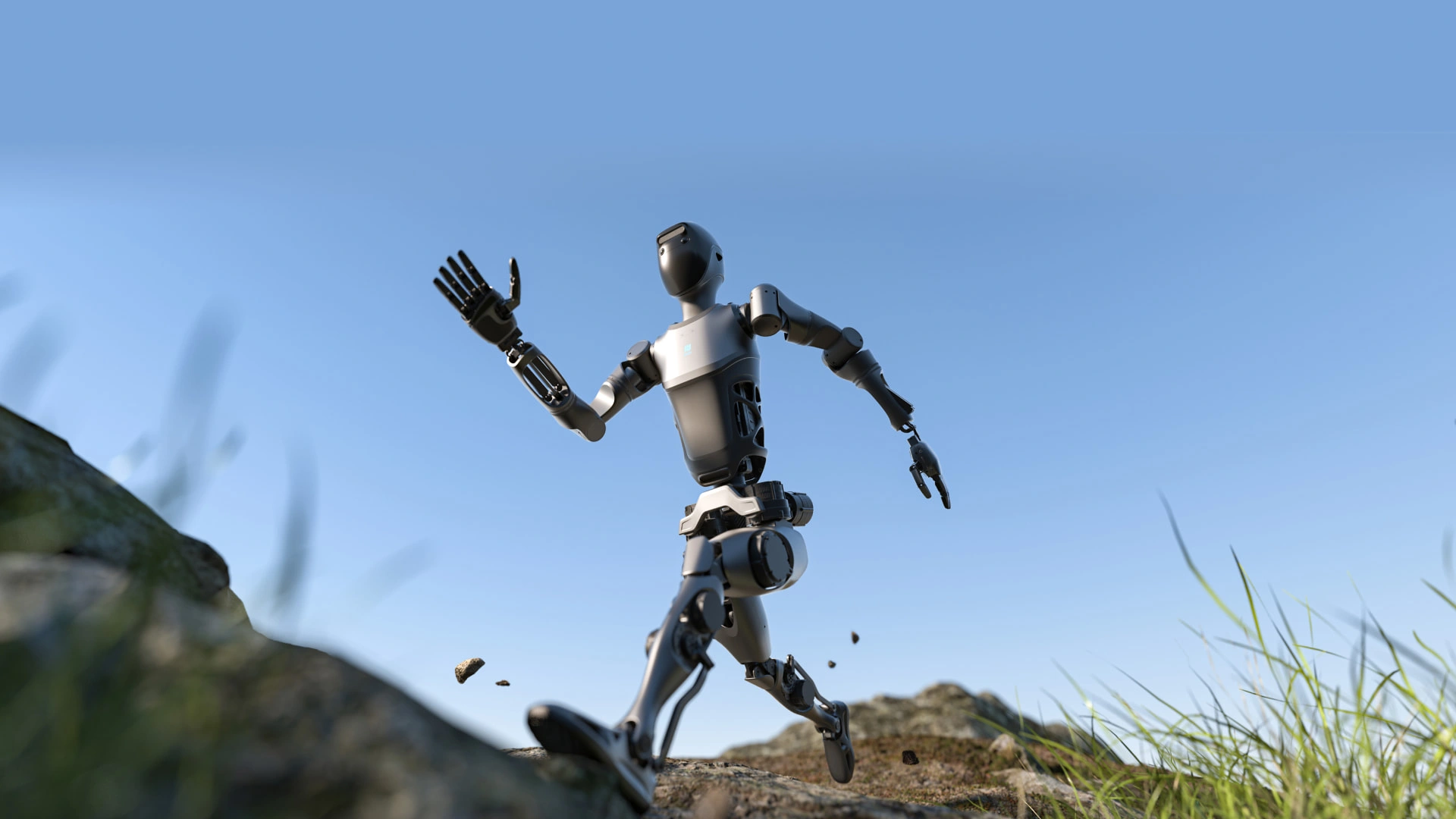
A December 2024 PUDU D9 launch connected Pudu Robotics global service-robot scale, BellaBot delivery history, DH11 tactile hands, and humanoid manipulation hardware.
The pre-D9 portfolio included PuduBot, BellaBot, KettyBot, HolaBot, SwiftBot, and FlashBot delivery robots, plus cleaning and disinfection products such as PUDU CC1, PUDU SH1, and Puductor 2. Pudu also says it independently researches and produces motors, LiDARs, cameras, computing platforms, and motion controllers, which gives the humanoid program a component and service-robot base.
The competitive field includes UBTECH, Unitree, Fourier, AgiBot, Tesla Optimus, Figure, Apptronik, and service-robot companies trying to add manipulation to deployed product lines. Pudu's distinction is installed service-robot distribution and internal component development, not D9 customer proof. A humanoid launched by a company with tens of thousands of service robots has channels and support habits that many humanoid startups still need to build.
Pudu notes that some promotional features may not be available to customers and shipped versions may differ from promotional content. Public material does not disclose D9 customer deployments, paid orders, autonomy split, uptime, task performance, or unit economics. The strategic question is whether Pudu can use its service-robot base to move humanoid manipulation into real facility tasks. If D9 becomes an extension of Pudu's deployed service network, the company gains a route from delivery and cleaning robots into human-scale manipulation.
Have a robotics update Korthos should review? Send news, deployments, product releases, funding rounds, research, or media to tips@korthos.xyz or reach out on X at @agkorthos.