RoboForce is pushing Titan from outdoor robot launch toward manufacturing readiness
RoboForce raised $52 million in 2026, bringing total funding to $67 million after launching Titan for demanding outdoor industrial work.
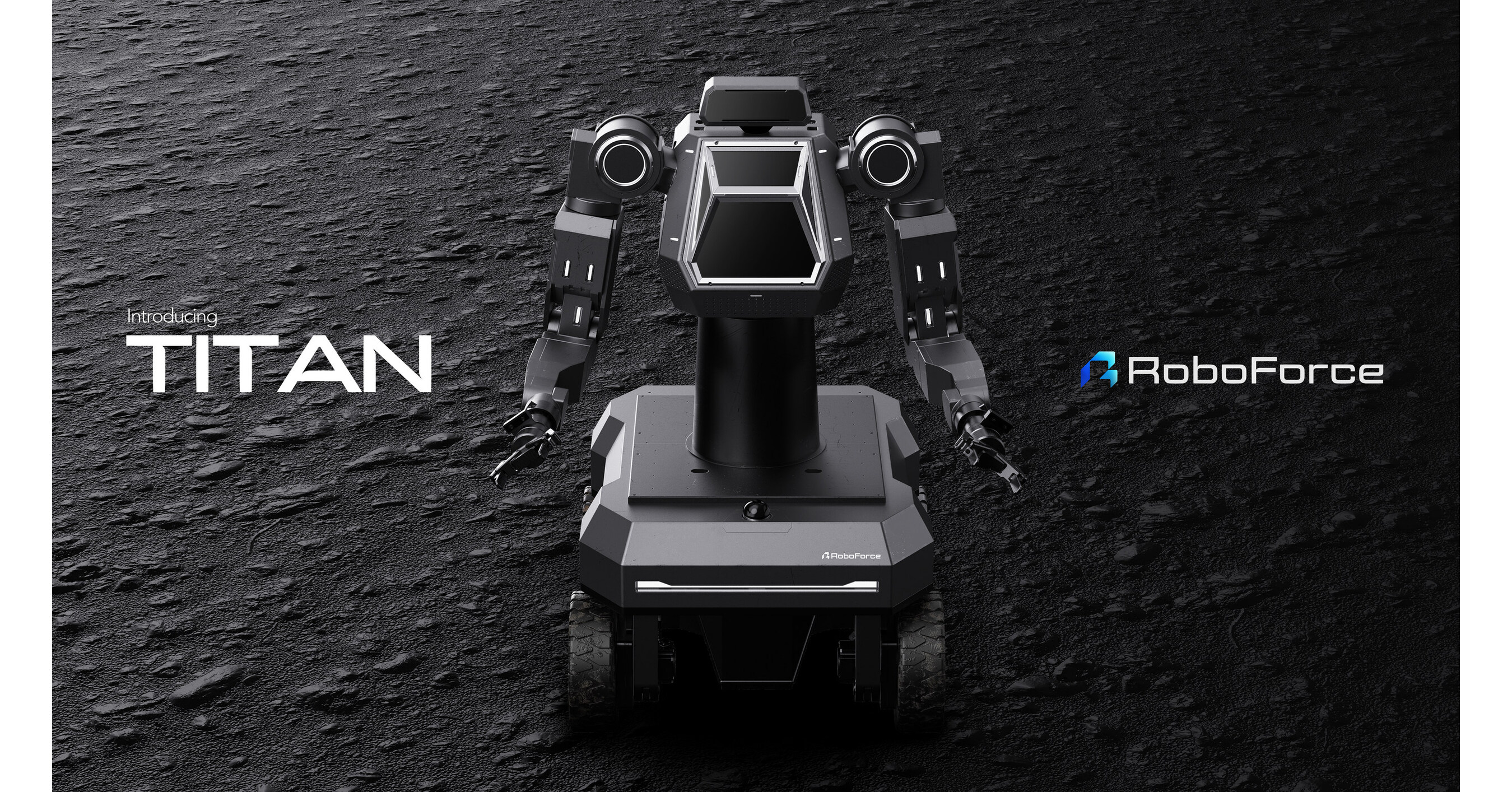
RoboForce raised $52 million on March 16, 2026, bringing total funding to $67 million and shifting Titan from launch-stage hardware toward manufacturing readiness. The company said the capital would accelerate its robot foundation model, scale general-purpose physical AI robots, and prepare commercial deployment.
The product anchor came earlier. In May 2025, RoboForce introduced Titan for demanding outdoor industrial environments and said total funding had reached $15 million after a January seed round. Solar construction and logistics infrastructure give the robot a clear field-labor surface: heat, dust, repetitive manipulation, material handling, and hard-to-staff work away from clean warehouse floors.
Founder Leo Ma gives the company its field-labor origin. TechCrunch described Ma visiting a solar farm outside Phoenix and watching workers perform harsh panel-installation work before RoboForce announced its first $10 million round. That origin keeps Titan closer to industrial task substitution than showroom humanoid positioning.
RoboForce is also making a platform claim around NVIDIA infrastructure. The 2026 funding announcement says the company is building its physical AI stack with NVIDIA computing and simulation tools. For outdoor industrial work, the platform claim has to survive weather, site variability, dust, uneven staging, safety supervision, and imperfect task setup. Those conditions are where many humanoid-style claims lose contact with deployment reality.
The competitive field includes Figure and Apptronik in humanoid labor, Built Robotics and Bedrock in construction autonomy, solar-site robotics efforts, mobile manipulation startups, and conventional labor/equipment contractors. RoboForce's distinction is a field-first physical labor thesis around Titan, rather than an office, home, or clean-factory humanoid entry point.
The proof boundary is still pre-scale. Public material shows capital, a named robot, founder problem-fit, NVIDIA-based platform language, and manufacturing ambition, but not paid customer names, fleet size, uptime, intervention frequency, or task-level economics. RoboForce's strategic bet is that physical AI labor becomes viable first in harsh outdoor industrial jobs where the human work is repetitive, exposed, and costly to staff.
Have a robotics update Korthos should review? Send news, deployments, product releases, funding rounds, research, or media to tips@korthos.xyz or reach out on X at @agkorthos.