
Waabi is building Waabi Driver into Volvo autonomous trucks
Waabi's $1B financing adds Uber robotaxis to a Waabi Driver stack already tied to Volvo VNL Autonomous trucks and commercial freight deployment.
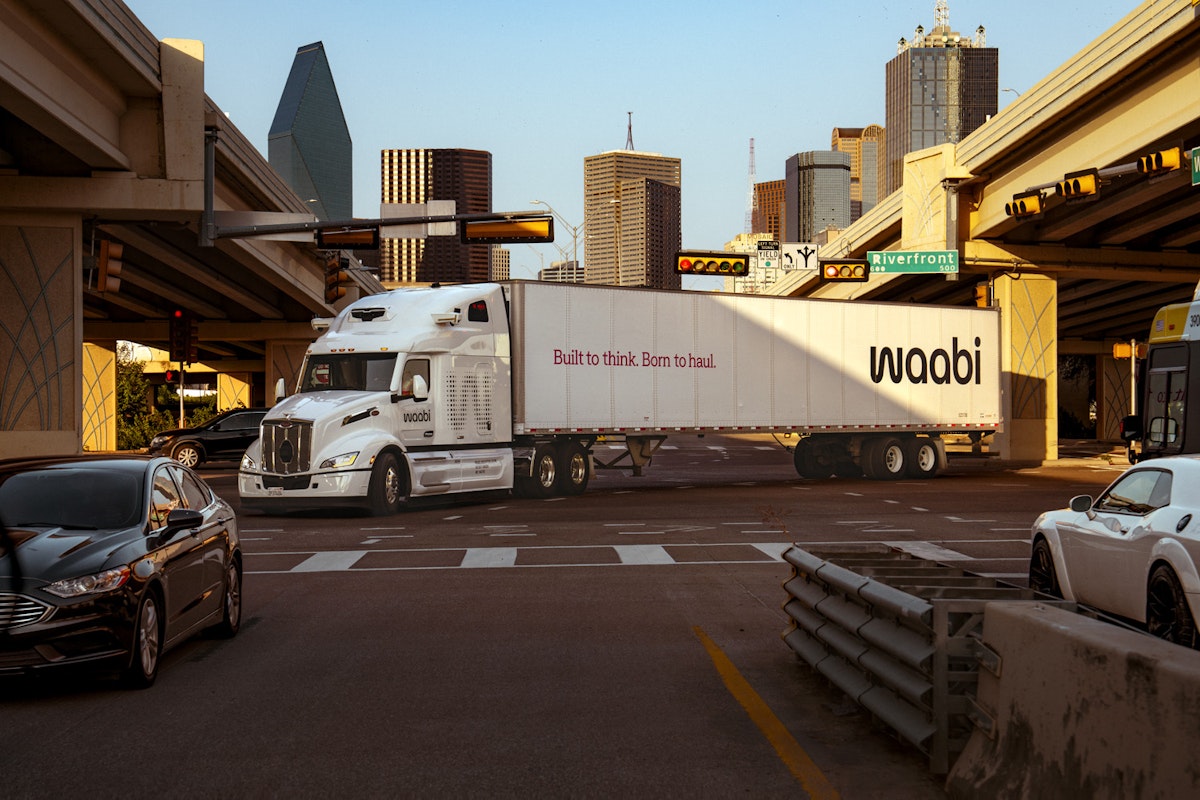
Waabi announced on January 28, 2026 that it had closed a $750 million Series C round and secured additional milestone-based future investment from Uber, bringing the financing package to $1 billion. The Uber commitment supports a new partnership to deploy Waabi Driver-powered robotaxis on Uber?s platform.
Independent coverage described the structure as a $750 million Series C co-led by Khosla Ventures and G2 Venture Partners plus roughly $250 million tied to Uber milestones. The same coverage said the Uber partnership targets 25,000 or more Waabi Driver-powered robotaxis, moving Waabi beyond autonomous trucking into a broader vehicle-autonomy platform.
The truck path remains material. Waabi and Volvo Autonomous Solutions announced a 2025 partnership to integrate Waabi Driver into Volvo VNL Autonomous trucks, with production tied to Volvo?s New River Valley assembly plant and redundant systems for autonomous operations.
Waabi was founded in 2021 by Raquel Urtasun, a University of Toronto machine-learning researcher who previously led AI work at Uber ATG. The company?s thesis is that a generalizable autonomy system can learn enough in simulation and structured validation to transfer across trucking and robotaxi markets faster than programs built around one vehicle type or one mapped route network.
The competitive field includes Aurora, Kodiak, Torc Robotics, Plus, Waymo, Zoox, Motional, Tesla?s autonomy program, and robotaxi networks tied to Uber and Lyft. Waabi?s distinction is the foundation-model framing for autonomy: it wants Waabi Driver to be the transferable intelligence layer while OEMs and platforms provide vehicle and demand channels.
Public material does not show paid driverless miles, customer freight volume, disengagement rate, support cost, driverless uptime by lane, per-mile licensing economics, robotaxi deployment count, or validated customer retention. The $1 billion round and Uber partnership are strategic commitments, not proof that Waabi has scaled driverless service.
Waabi?s 2026 story is about whether one autonomy stack can stretch from freight trucks into robotaxis without losing deployment discipline. If the company can turn Volvo production and Uber platform access into paid driverless miles, Waabi Driver becomes less of a trucking feature and more of a physical-AI operating layer for commercial vehicles.
Have a robotics update Korthos should review? Send news, deployments, product releases, funding rounds, research, or media to tips@korthos.xyz or reach out on X at @agkorthos.