
Burro is scaling harvest-assist robots into an outdoor labor fleet
A 25-robot Petitti deployment path, 300-plus commercial robot base, and Burro Grande payload step push autonomous mobility from nursery carts into pallet-scale outdoor work.
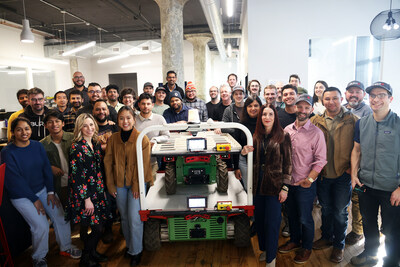
The product solves an outdoor material-flow problem rather than a crop-intelligence problem alone. Nurseries, vineyards, berries, and permanent crop operations move plants, bins, harvested goods, and tools across large, repetitive routes where labor is scarce and terrain changes through the season. Burro robots follow workers, tow trailers, patrol depots, and move payloads without asking farms to rebuild their sites around fixed automation.
Burro Grande expands the vehicle class into pallet-scale outdoor mobility, carrying a 1,500-pound payload and towing 5,000-pound loads. Burro Operating System V5.0 adds indoor and outdoor LiDAR localization, supporting transitions between greenhouse, yard, and field routes. Nurseries and farms often shift work between covered, paved, packed-earth, and field environments during the same season.
The competitive field includes GUSS Automation, Naio Technologies, Monarch Tractor, Bluewhite, Farm-ng, autonomous carts, tractor-towed trailers, and manual harvest crews. Burro's distinction is a deployed outdoor assist fleet focused on carrying and towing around workers rather than replacing the whole crop operation.
Public material does not show robot uptime by farm, intervention frequency, seasonal utilization, payload cycle counts, maintenance burden, or customer retention by crop type. The strategic test is whether Burro can turn harvest-assist autonomy into a seasonal fleet business. If Petitti-style rollouts keep expanding and Burro Grande moves heavier loads reliably, Burro becomes an outdoor labor-capacity layer for growers that need more movement per worker.
Have a robotics update Korthos should review? Send news, deployments, product releases, funding rounds, research, or media to tips@korthos.xyz or reach out on X at @agkorthos.