
Collaborative Robotics is turning mobile cobots into a shared-workspace material handling layer
A 100 million dollar Series B and Proxie launch put Collaborative Robotics across healthcare, logistics, and manufacturing customers with a non-humanoid warehouse cobot design.
Brad Porter founded Collaborative Robotics in 2022 after serving as Amazon vice president of robotics and Distinguished Engineer. The team includes robotics and AI staff from Amazon, Apple, and NASA, with offices in Santa Clara and Seattle. That background gives the company a serious warehouse and autonomy lineage before Proxie enters customer sites.
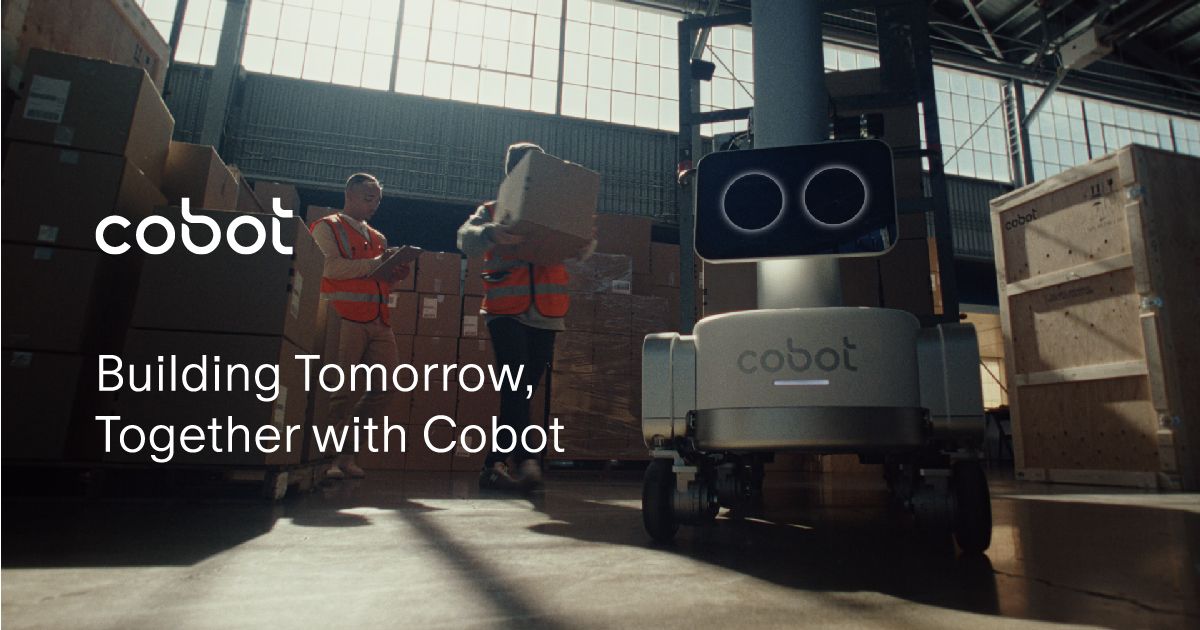
Proxie launched in November 2024 with a design aimed at human-shared material movement rather than fenced industrial cells. The robot uses Glide 360 mobility, Scout Sense perception, and Flex Grasp manipulation modules to handle carts, boxes, and totes. Lidar-based mapping and real-time surroundings capture form the navigation layer.
The first customer group gives the launch range: Maersk, Mayo Clinic, Moderna, Owens & Minor, and Tampa General Hospital. Those names span logistics, healthcare, biotech manufacturing, medical distribution, and hospital operations. Public material does not classify each site as a pilot, paid deployment, fleet purchase, or validation program, but the customer mix shows the intended surface: moving things through busy workplaces where people and robots share the same floor.
The competitive field includes Agility Robotics, Diligent Robotics, Aethon/TUG hospital robots, Fetch/Zebra AMRs, MiR, Locus Robotics, and mobile manipulation companies trying to add arms to warehouse mobility. Collaborative Robotics' distinction is a mobile cobot built around shared-space movement and general material handling rather than a single dock, aisle, or hospital route.
Public material still does not show robot counts by customer, payload limits, cycle times, route-level uptime, autonomy intervention frequency, or measured labor savings. The strategic test is whether Proxie can make shared-workspace material movement repeatable across very different sites. If it can, Collaborative Robotics becomes a material-handling layer for workplaces that cannot justify fixed automation and do not want robots isolated from people.
Have a robotics update Korthos should review? Send news, deployments, product releases, funding rounds, research, or media to tips@korthos.xyz or reach out on X at @agkorthos.