Mytra is building 3D robotics into a supply-chain operating system
Mytra tied a January 2026 $120 million Series C to more than $200 million in total funding, large-scale deployments, Albertsons customer pull, and software-defined material flow.
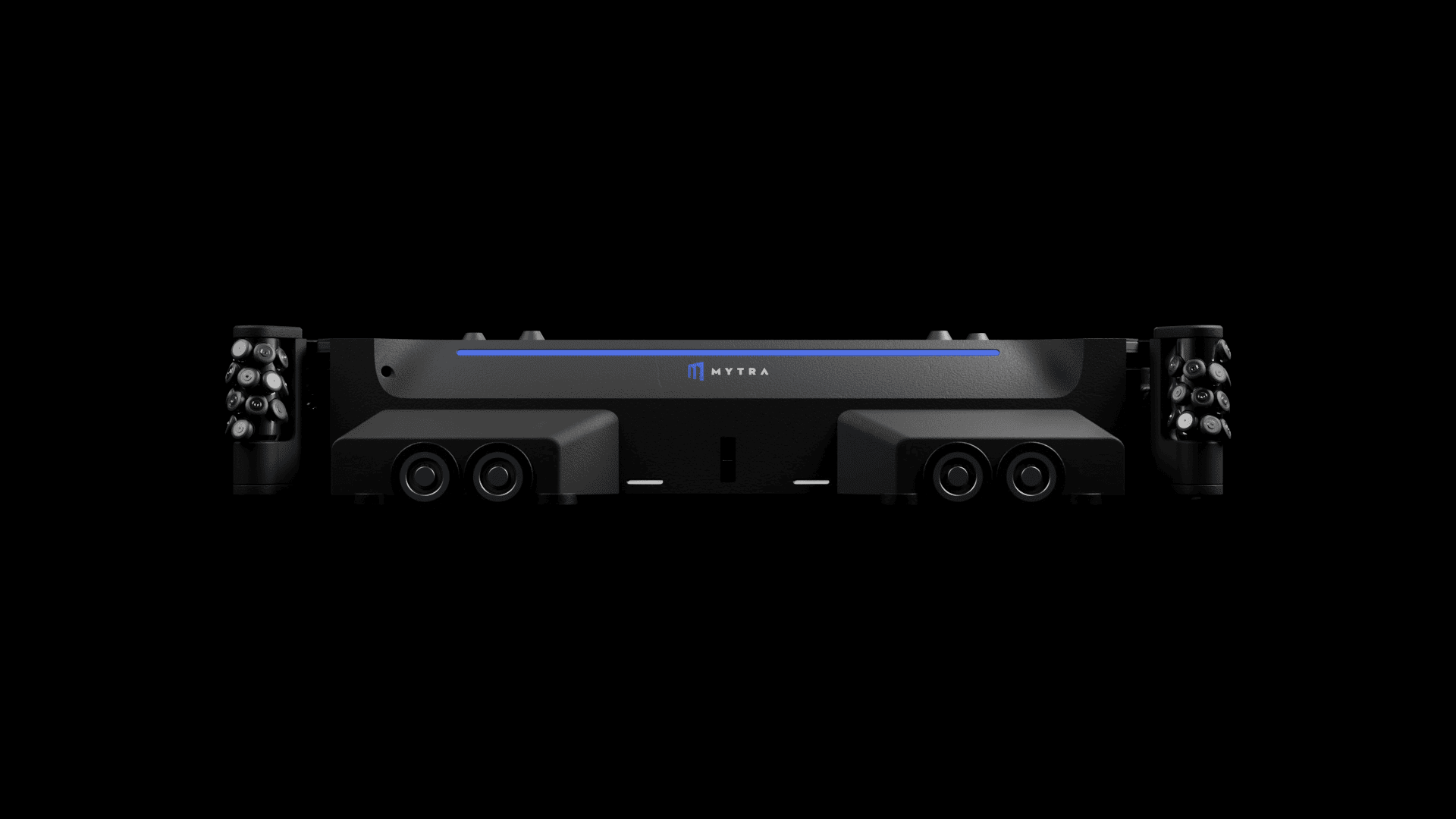
The product is built for heavier, denser material flow than most AMR deployments. Mytra says each bot can handle loads up to 3,000 pounds, operate inside storage cells up to 80 feet high, and use onboard perception to move inventory without fixed slots. The company has also reported early deployment results including a 32% reduction in material-handling labor and a 34% improvement in storage density. Those numbers are company-reported rather than independently audited, but they point to the right operating variables: labor, density, and adaptability inside constrained facilities.
The competitive field includes AutoStore, Ocado-style grid automation, Symbotic, Exotec, Swisslog, Dematic, Geekplus, and AMR fleets from Locus and MiR used around storage and picking workflows. Mytra's lane is different from a pure floor robot or a fixed shuttle system: it is trying to make high-density storage and heavy material flow software-defined, so inventory can move vertically and horizontally without rebuilding the facility around one rigid automation pattern.
Public material still does not provide customer-by-customer uptime, installation cost, payback by site, fleet maintenance data, or renewal economics. The Series C positions Mytra around a harder question than whether one pilot works. If the company can make dense 3D material flow reliable across food, industrial, and retail supply chains, it becomes a warehouse operating system for sites where labor reduction and storage density are tied to the same physical constraint.
Have a robotics update Korthos should review? Send news, deployments, product releases, funding rounds, research, or media to tips@korthos.xyz or reach out on X at @agkorthos.