
AMP Robotics is turning waste sorting into municipal infrastructure
A 20-year SPSA contract gives AMP a municipal-scale test after its $91M Series D, Portsmouth acquisition and AMP ONE deployment work.
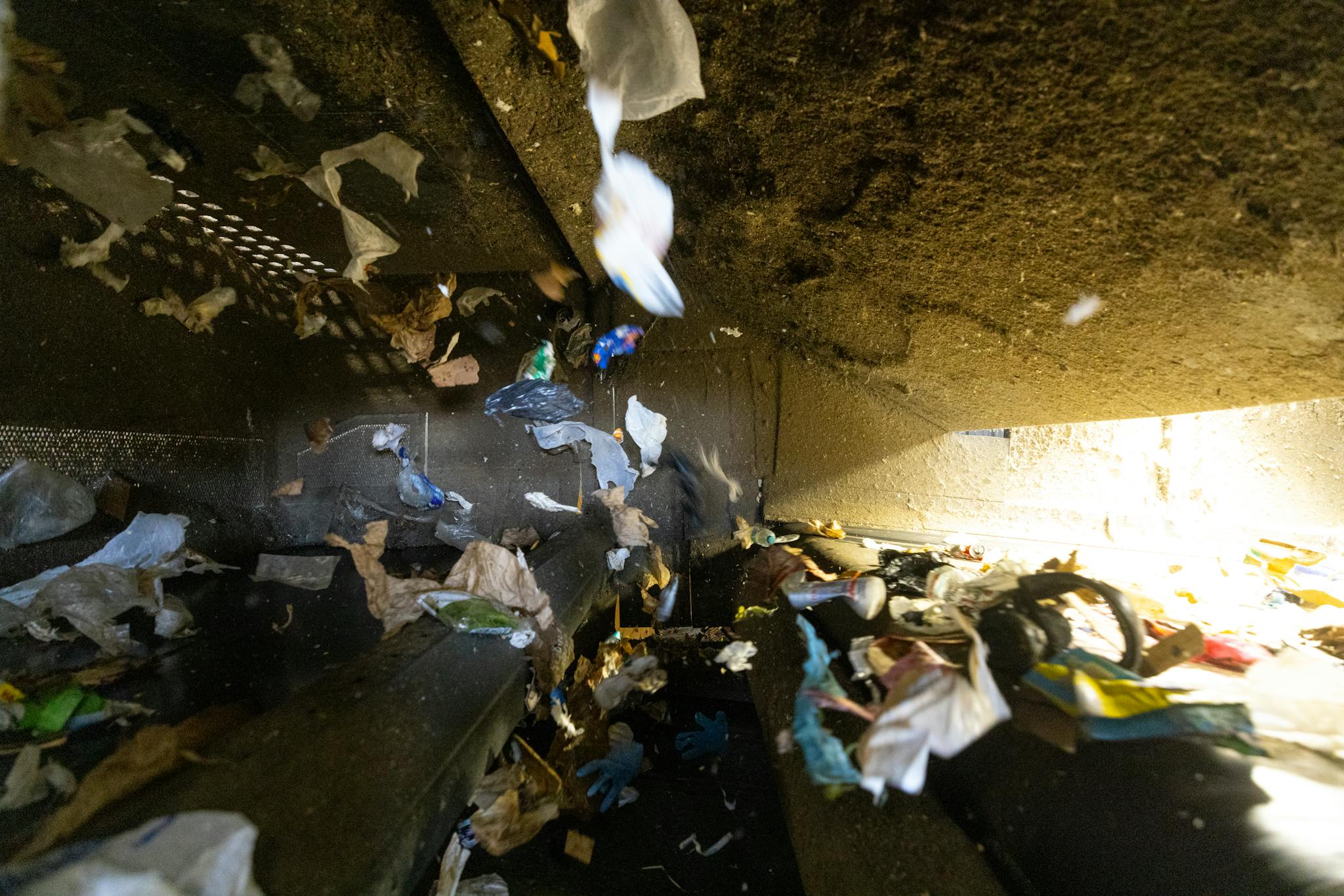
The contract followed a nearly two-year Portsmouth pilot using AMP ONE to process up to 150 tons per day of locally sourced municipal solid waste. AMP acquired RDS Portsmouth in September 2025 after operating the system there since late 2023, turning the pilot site into a regional asset rather than leaving the technology as a temporary test.
The financial and operating context is substantial. AMP raised $91 million in Series D funding in December 2024, with Congruent Ventures leading and Sequoia Capital, XN, and Blue Earth Capital participating. The same disclosure put the company at 150 billion items identified, more than 2.5 million tons of recyclables sorted, three full-scale facilities, and more than 400 AI systems across North America, Asia, and Europe.
The competitive field includes Glacier, EverestLabs, TOMRA, Machinex, Bollegraaf, Greyparrot analytics, municipal MRF operators, and landfill-diversion contractors. AMP's distinction is the move from robot retrofits into municipal-service infrastructure: AI classification, robotics, pneumatic sortation, facility design, and long-term contracts tied to landfill life and diversion outcomes.
Public evidence still needs full-year operating results from the expanded SPSA program, including actual annual throughput, recovered commodity value, contamination rates, organics performance, and landfill-diversion results by year. The 20-year contract positions AMP around municipal waste as infrastructure, not only recycling robotics. If the Portsmouth pilot scales into measurable diversion for 1.2 million residents, AMP becomes a long-duration sortation operator with AI as the operating system for municipal waste recovery.
Have a robotics update Korthos should review? Send news, deployments, product releases, funding rounds, research, or media to tips@korthos.xyz or reach out on X at @agkorthos.