
Comau and Aptiv are bringing automotive sensing logic into industrial automation
Comau and Aptiv signed a May 2026 MoU to co-develop robotics, autonomous systems, warehouse automation, and industrial safety architectures.
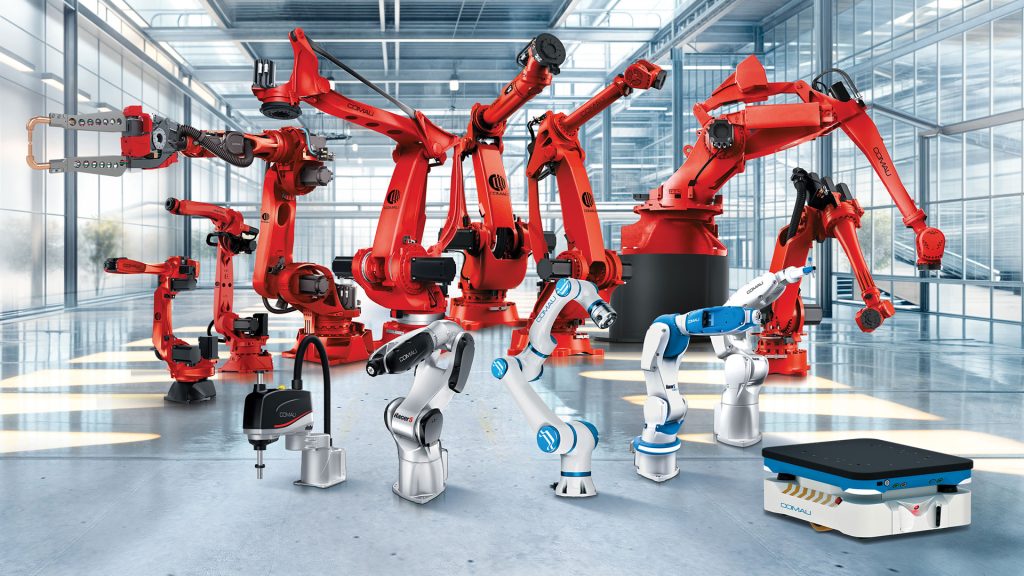
Comau and Aptiv announced a memorandum of understanding on May 5, 2026 to explore co-development of robotics, autonomous systems, and industrial logistics automation. The event is not a deployment win yet, but it is strategically clear: Aptiv wants its perception, compute, interconnect, and Wind River edge software closer to factory automation, while Comau brings decades of robotic and industrial deployment experience.
Comau was founded in Turin in 1973 and has long been tied to automotive manufacturing before expanding across industrial robotics, automation, and intralogistics through Automha. The partnership brings Aptiv's automotive sensing and embedded software into production environments where uptime, safety, cabling, controller compatibility, and lifecycle management decide whether autonomy gets adopted.
The planned work covers four areas: perception and compute reference architectures for AMRs and cobots, AI-enabled warehouse and logistics automation using Automha software and Wind River edge technologies, ruggedized industrial interconnects, and radar or vision-based safety architectures. Wind River, acquired by Aptiv in 2022, provides embedded software including VxWorks real-time operating systems and edge computing tools; Comau's existing use of VxWorks in industrial controllers gives the MoU a technical foundation before any new joint product appears.
The competitive field includes industrial automation vendors such as ABB, FANUC, KUKA, Siemens, Rockwell, and warehouse automation integrators adding more autonomy. Comau and Aptiv's distinction is the combination of production robotics, automotive-grade sensing, edge compute, and industrial interconnects in one collaboration path.
The MoU positions Comau as a bridge between traditional robot cells and the sensor-rich autonomous systems now moving into factories and warehouses. If the partnership turns into deployed reference architectures, it could make industrial autonomy look less like isolated robot projects and more like a repeatable control, sensing, and software stack for production floors.
Have a robotics update Korthos should review? Send news, deployments, product releases, funding rounds, research, or media to tips@korthos.xyz or reach out on X at @agkorthos.
- ComauCompany
Track the machine economy
Regular Korthos briefings on robotics, drones, physical AI, supply chains, funding, product launches, and the companies shaping the stack.