
Vecna Robotics is building Pivotal software into AMR fleet orchestration
Vecna Robotics connected its $100 million Series C to GEODIS CaseFlow proof, Pivotal orchestration, RaaS delivery, and workflow-specific pallet automation.
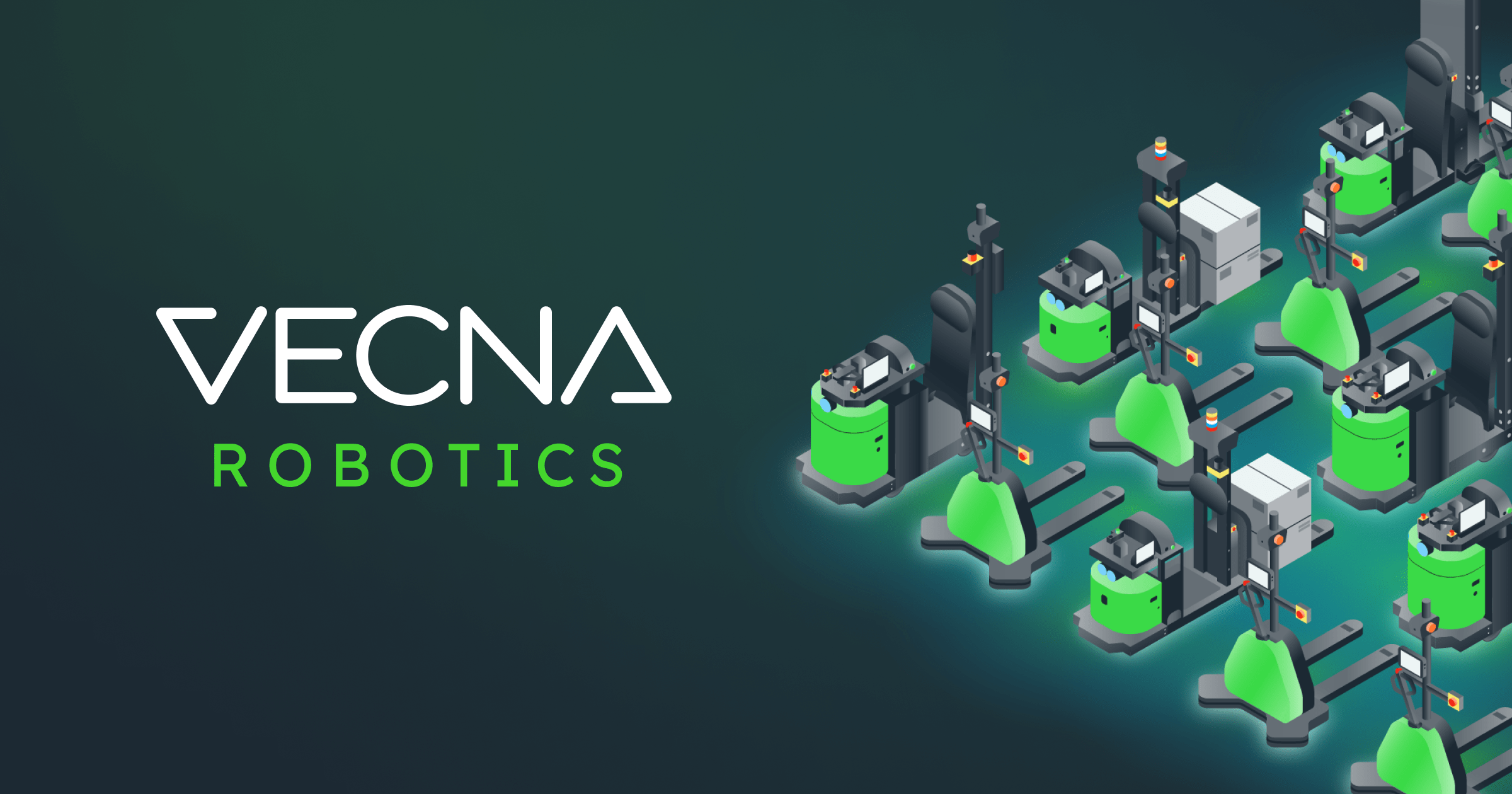
Vecna Robotics raised $100 million in Series C funding in June 2024 while GEODIS supplied the clearest customer signal. A Vecna-hosted GEODIS case study reports 2x picker-throughput improvement, 50% training-time reduction, zero reported injuries, and deployment in under four weeks, tying the funding story to case-pick orchestration rather than generic AMR expansion.
The Waltham company builds self-driving forklifts, pallet jacks, and tuggers around Pivotal orchestration software and a 24/7/365 Command Center. Vecna had raised $65 million in January 2022, bringing total capital raised at that point to $128.5 million. The June 2024 Series C included $40 million in new funding through equity and debt, with Tiger Global Management, Proficio Capital Partners, and IMPULSE participating.
Pivotal is the operating layer that makes the fleet more than moving equipment. Vecna describes autonomy for on-robot navigation, perception, and safety; orchestration for fleet management, workflow management, and traffic control; analytics for dashboards and continuous learning; and integration to warehouse systems for task management between robots and people.
The physical side of the system uses vision and LiDAR for 3D perception, dynamic path planning, obstacle avoidance, smart pallet detection, and infrastructure-free navigation in high-traffic facilities. Those capabilities fit case picking and cross-docking work where congestion, pallet position, and human movement change throughout a shift.
The commercial model also shapes the software story. IDC described most Vecna solutions as RaaS programs that package equipment, software, maintenance, and monitoring into a multiyear subscription. The competitive field includes Seegrid, Balyo, OTTO Motors/Rockwell, MiR, Locus, Geekplus, autonomous forklift vendors, and manual lift-truck operations. Vecna's distinction is supervised material flow: robots, orchestration, analytics, and remote support tied to warehouse priorities.
Public material does not show customer-level intervention rate, robot counts by customer, audited uptime by site, RaaS renewal data, or cost per autonomous pallet move. The strategic question is whether Pivotal can turn mixed fleets of tuggers, pallet jacks, and forklifts into a reliable warehouse labor layer. If GEODIS-style throughput gains repeat across more sites, Vecna becomes an orchestration company for pallet movement rather than only an AMR manufacturer.
Have a robotics update Korthos should review? Send news, deployments, product releases, funding rounds, research, or media to tips@korthos.xyz or reach out on X at @agkorthos.
- Vecna RoboticsCompany
Track the machine economy
Regular Korthos briefings on robotics, drones, physical AI, supply chains, funding, product launches, and the companies shaping the stack.