WorkFar is turning teleoperated humanoid handling into an industrial service layer
Syntro uses a wheeled semi-humanoid form, teleoperation and onboard autonomy for factory and warehouse tasks where manipulation comes before full autonomy.
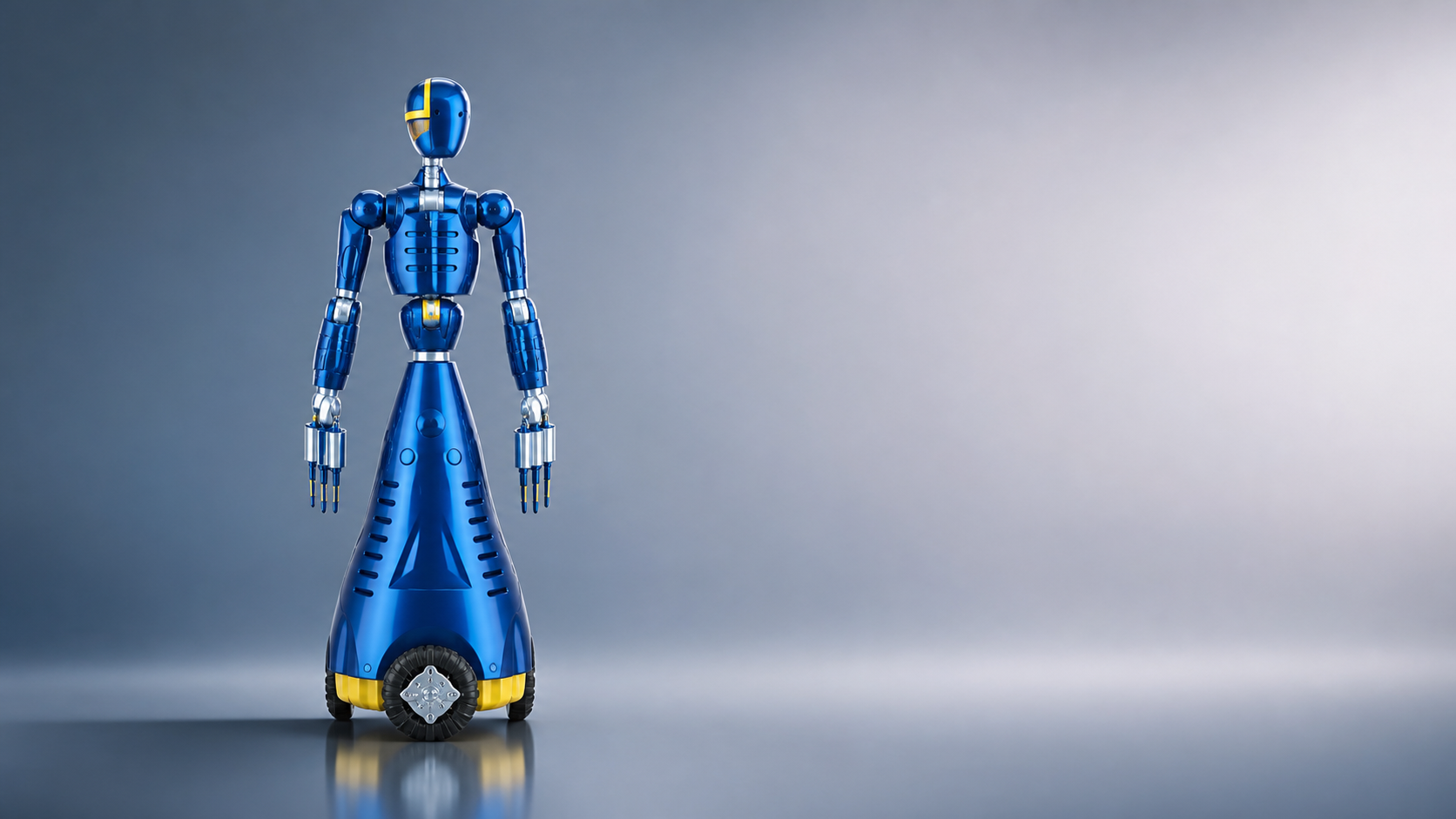
WorkFar is positioning Syntro as a wheeled semi-humanoid for factories, warehouses, and production environments. The robot keeps a human-like upper body for manipulation while using omni-wheel mobility on structured floors, placing the first product closer to industrial teleoperation and supervised handling than to a full bipedal humanoid claim.
WorkFar presents itself as both robot builder and deployment operator. Its public material combines robot development, system integration, teleoperation, and customer support under the same company, with Syntro as the flagship robot. That model is important for source-limited early hardware because the company is not only asking customers to buy a machine; it is selling a staffed path into automation where remote human operators can cover edge cases while autonomy matures.
The manufacturing pitch is built around tasks that are awkward, repetitive, or risky for people but not yet reliable enough for fully autonomous robots. WorkFar describes Syntro as an AI-enhanced humanoid that can be controlled by a remote human operator, with onboard intelligence supplementing teleoperation. That framing keeps the evidence boundary clear: teleoperation can create early usefulness, but it does not prove autonomous task performance at customer sites.
The wheeled base is the practical part of the product. Many factories and warehouses already run on flat, structured surfaces, so legs add cost, fall risk, and control complexity before they add much value. Syntro's commercial argument is that arms, hands, sensing, and remote presence can address human-scale work without requiring the machine to solve bipedal locomotion first.
The competitive field includes Reflex Robotics, Sanctuary AI teleoperation workflows, Apptronik and Figure industrial humanoid efforts, mobile manipulation systems, AMRs with arm payloads, and conventional automation integrators. WorkFar's distinction is the combined service model: a wheeled humanoid robot plus optional telepresence labor and support, aimed at customers that want automation capacity without waiting for full autonomy.
Public material does not disclose named customers, production fleet counts, customer uptime, task success rates, teleoperator workload, pricing, or renewal data. The strategic question is whether WorkFar can make teleoperated humanoid handling feel like a practical industrial service rather than a robot demo with a person hidden in the loop. If it can, Syntro becomes a bridge product for sites that need flexible labor coverage now while autonomy improves behind the scenes.
Have a robotics update Korthos should review? Send news, deployments, product releases, funding rounds, research, or media to tips@korthos.xyz or reach out on X at @agkorthos.
Track the machine economy
Regular Korthos briefings on robotics, drones, physical AI, supply chains, funding, product launches, and the companies shaping the stack.