
XTEND is localizing defense robotics around a UK XFAB
The UK expansion pairs a GBP 1.93 million order with a Swindon manufacturing hub for human-guided autonomous defense systems.
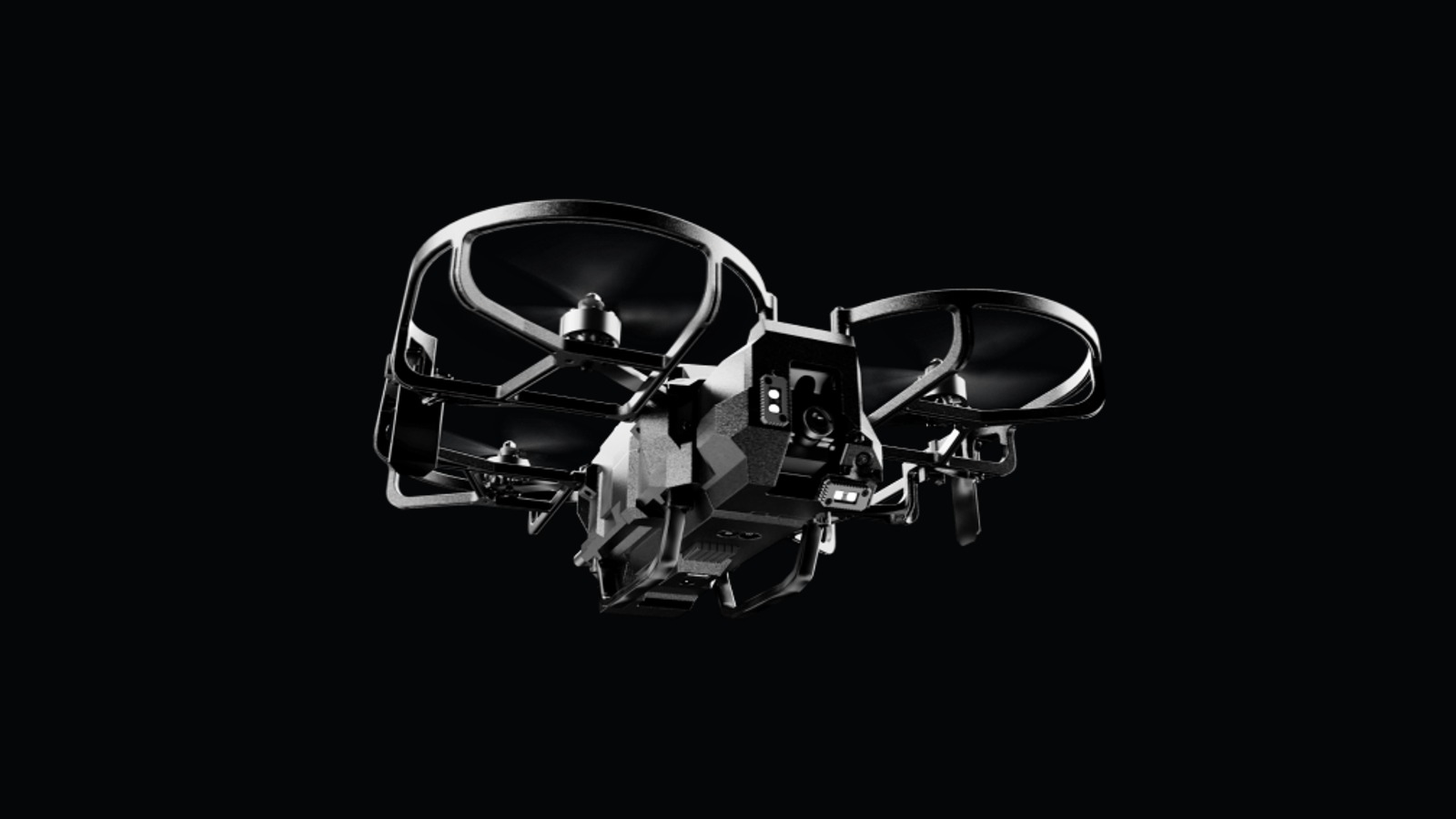
JFB Construction Holdings announced on May 20, 2026 that XTEND launched a UK XFAB in Swindon, England, following an initial GBP 1.93 million order supporting UK defense activities. XTEND also said follow-on opportunities are under discussion and that it plans to invest up to GBP 20 million over time in the UK hub.
XTEND was founded in 2018 and is led by co-founder and CEO Aviv Shapira. The company builds human-guided autonomous systems for defense, public safety, and security missions, with software and tactical drone products designed for environments where operators need robotic reach without taking full manual control of every movement.
The UK XFAB event is a localization story as much as a robotics story. Defense buyers increasingly want autonomous systems that can be produced, supported, and adapted inside allied supply chains. A tactical drone or robotic system may work technically, but procurement can still stall if manufacturing, compliance, training, spare parts, and operational support remain offshore or vendor-fragile.
XTEND's expansion is tied to that pressure. The release describes the UK facility as a sovereign manufacturing hub based on XTEND's localized XFAB model, intended to support UK defense priorities and NATO-aligned autonomous capabilities. The company also frames the site around reduced operator training burden, rapid deployment, GNSS-denied operation, and AI-enabled systems for contested environments.
The proof surface is stronger than a pure market-entry announcement, though still bounded. XTEND says its systems have been validated by the U.S. Department of War through the precision strike indoor and outdoor program, with live-fire testing and NDAA compliance. In the UK, the company points to live operational trials with the 2nd Battalion, Parachute Regiment at Salisbury Plain, including what it describes as the first live-fire demonstration of an uncrewed aerial system by UK forces on UK soil. Public material does not disclose production volume, unit economics, contract duration, or deployed fleet counts.
The product layer is XOS, the XTEND Operating System. XTEND positions XOS as a unified control layer for multiple robotic systems, supporting indoor and outdoor operations through a common ground control system. The company also describes native GNSS-denied capability, fiber-optic communication, simulation environments for training and mission rehearsal, and coordination across robotic systems.
The competitive field includes Anduril, Skydio, Red Cat, AeroVironment, PDW, Helsing-style defense software platforms, and tactical drone suppliers building national or allied manufacturing footprints. XTEND's distinction is the human-guided autonomy layer paired with localized production: the company is trying to reduce operator workload while keeping sovereign deployment and support close to the customer.
The UK XFAB positions XTEND around defense autonomy as an industrial-capacity problem. If the Swindon hub converts early trials and orders into repeatable production and allied support, XTEND becomes less of a tactical drone vendor and more of a local operating backbone for defense units that need autonomous systems they can field, train on, and sustain quickly.
Have a robotics update Korthos should review? Send news, deployments, product releases, funding rounds, research, or media to tips@korthos.xyz or reach out on X at @agkorthos.
Track the machine economy
Regular Korthos briefings on robotics, drones, physical AI, supply chains, funding, product launches, and the companies shaping the stack.