
ORCA Dexterity is making tactile robot hands easier to reproduce
OrcaHand Touch adds fingertip force-torque sensing to an open-source hand stack aimed at dexterous manipulation research.
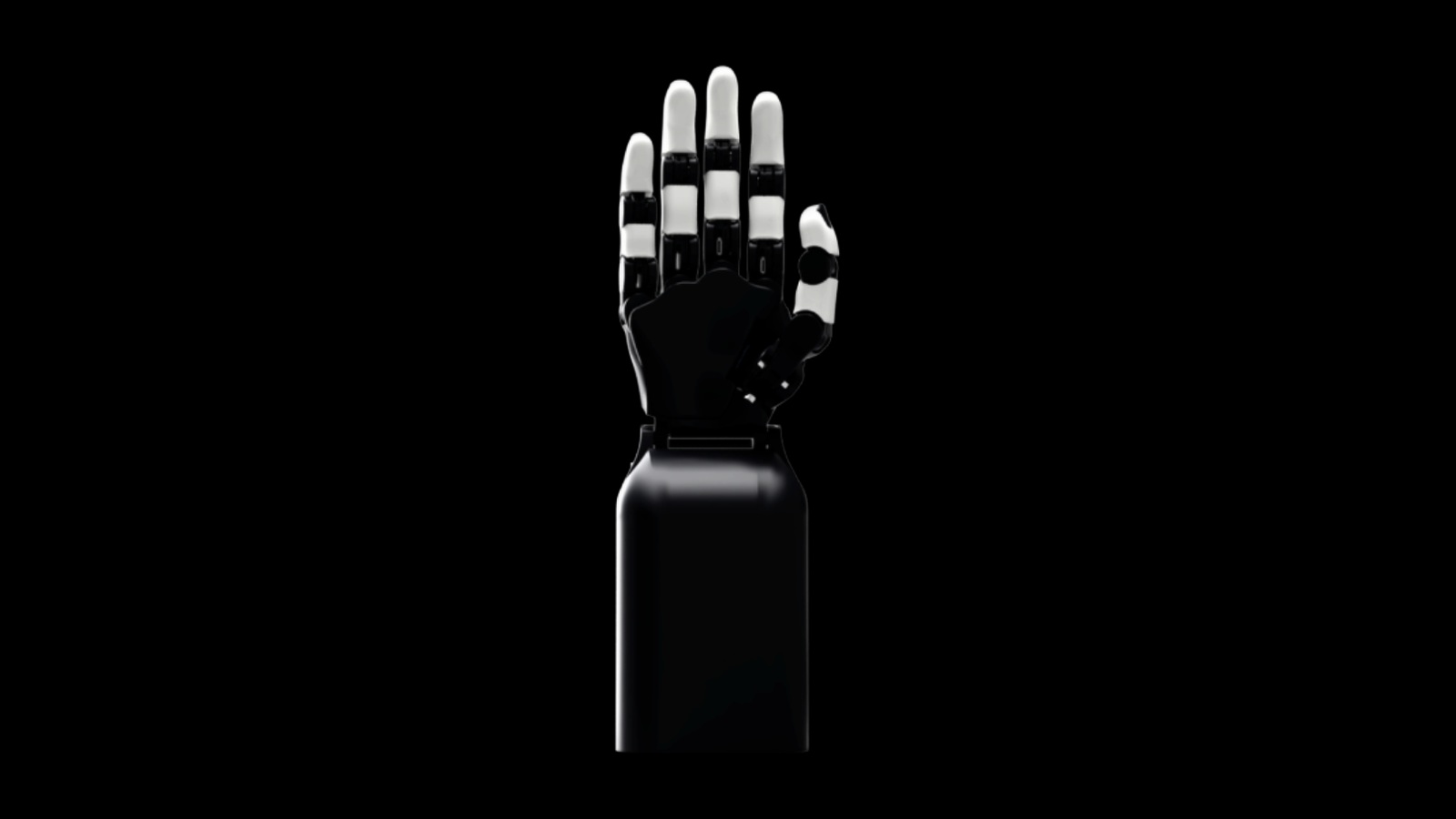
ORCA Dexterity's OrcaHand Touch gives dexterous manipulation research a relatively accessible tactile hand: 17 degrees of freedom, 16 finger actuators plus one wrist, and 351 taxels across five digits. Launch coverage in March 2026 framed the product as part of a three-model open-source robotic hand lineup, with Touch as the higher-end tactile version.
ORCA Dexterity was founded in 2025 in Zurich and builds anthropomorphic robotic hands for research and manipulation development. The company's product range now spans cheaper self-build hands and tactile configurations, which gives labs a way to choose between cost, capability, and sensing depth instead of jumping directly into expensive proprietary humanoid-hand hardware.
The Touch model is interesting because tactile sensing is moving from a nice-to-have research feature into a bottleneck for manipulation policies. Vision can estimate object pose and motion, but contact-rich tasks depend on force, slip, pressure distribution, and how the object moves inside the hand after grasp. ORCA says Touch integrates custom Hall-effect 6D force-torque sensor fingertips across all five digits, with each taxel outputting a full force-torque measurement.
The open-source angle lowers part of the adoption barrier. Hands such as Touch can become useful shared hardware targets for teleoperation, imitation learning, reinforcement learning, grasp research, and benchmark development. ORCA also keeps an important boundary: the tactile sensing module firmware and hardware are closed-source and were developed with an industry partner, so the system is not fully open at every layer.
The competitive field includes Shadow Robot, Wonik's Allegro Hand, LEAP Hand, Inspire and PaXini-style dexterous hands, humanoid OEM hands built inside companies such as Figure and Sanctuary AI, and lower-cost 3D-printed research hands. ORCA's distinction is the combination of lower-cost build paths, anthropomorphic hand design, tactile sensing, and public documentation aimed at research reproducibility.
OrcaHand Touch positions ORCA around a practical constraint in robot learning: dexterity research needs hardware that more labs can buy, build, compare, and break. If the hand becomes a common tactile target, ORCA can influence manipulation research through repeatable hardware rather than waiting for humanoid companies to expose their internal hand stacks.
Have a robotics update Korthos should review? Send news, deployments, product releases, funding rounds, research, or media to tips@korthos.xyz or reach out on X at @agkorthos.
- ORCA DexterityCompany
Track the machine economy
Regular Korthos briefings on robotics, drones, physical AI, supply chains, funding, product launches, and the companies shaping the stack.