
PaXini builds Tora One from tactile sensing into humanoid hardware
Tora One extends PaXini tactile hardware work into a humanoid body, linking sensors, dexterous hands and contact-rich manipulation in one product line.
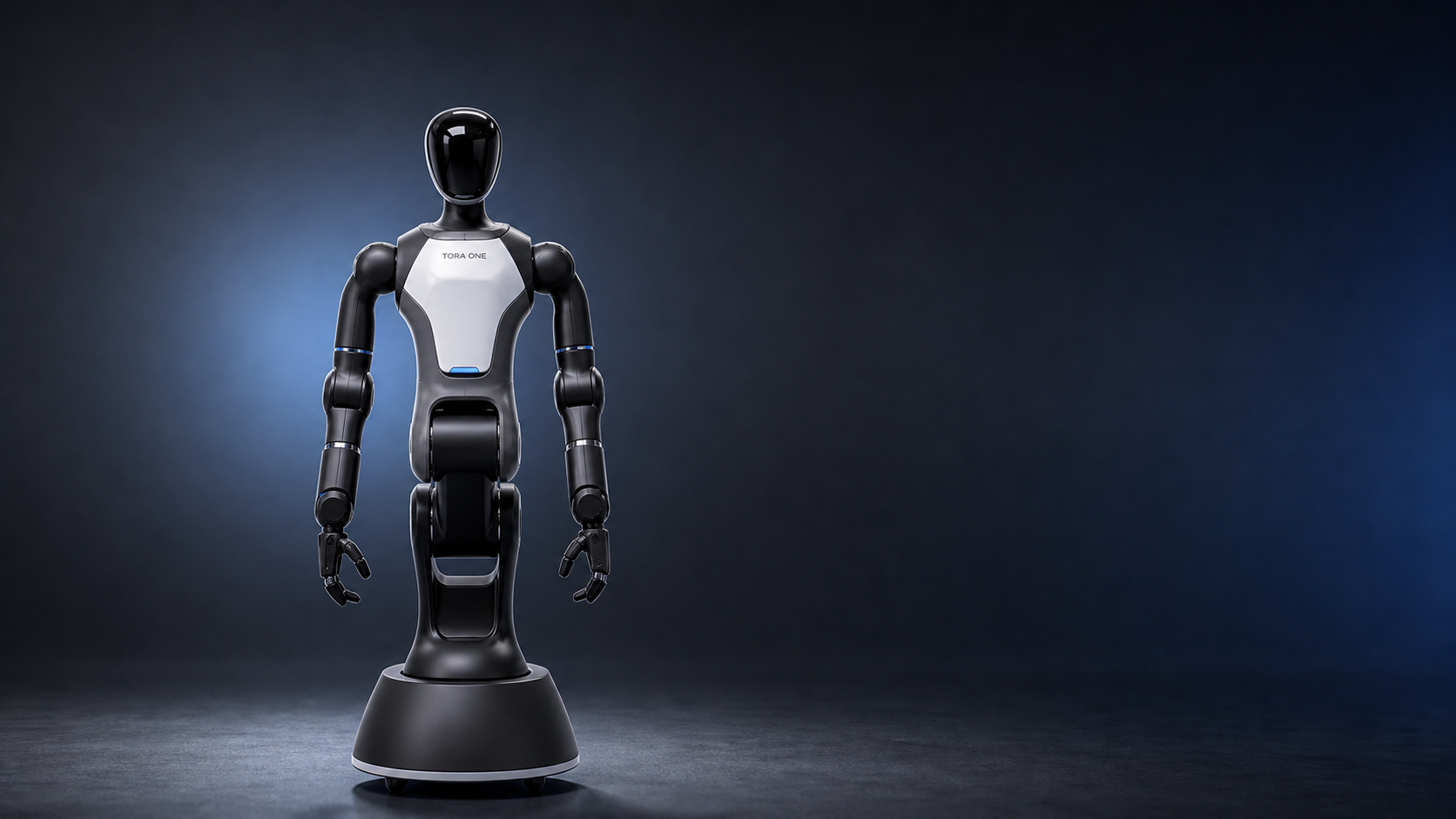
PaXini is building Tora One from a tactile-sensing base rather than starting with a humanoid shell alone. The Shenzhen company sells touch sensors, dexterous hands, and humanoid hardware, with TORA DOUBLE ONE bringing those pieces into a foldable wheeled body aimed at industrial manufacturing and contact-rich service tasks.
The company traces its founding team to Waseda University robotics lab roots and describes its hardware around HAPTA tactile architecture, an ITPU tactile processing unit, TORA-ONE humanoids, and DexH dexterous hands. That gives PaXini a technical identity around touch, grasping, and contact feedback, the parts of manipulation that often break once robots leave clean demos and handle deformable, slippery, or poorly presented objects.
Many useful robot tasks happen at the moment of contact. A robot handling a part, passing an object, sorting an irregular item, or assisting a person needs to detect pressure, slip, force direction, and object state quickly enough to change its behavior. PaXini's humanoid hardware gives the company a way to test whether its sensor and hand stack improves manipulation inside a complete robot body.
The public market language is broad. PaXini cites intelligent manufacturing, rehabilitation and medical care, industrial production, and consumer electronics customers, while also pointing to overseas sales paths. Those claims show commercial intent but not customer-level evidence. Public material does not disclose named deployments, unit counts, repeat orders, integration partners, uptime, or measured task results showing tactile data changing robot behavior in the field.
The competitive field includes Shadow Robot, Tesollo, Sanctuary AI hand work, Wonik Robotics allegro-style research hands, tactile sensor suppliers, dexterous hand startups, and humanoid companies building their own end effectors. PaXini's distinction is vertical coverage from tactile sensing and processing units to hands and wheeled humanoid hardware, aimed at owning more of the contact stack than a pure sensor or hand supplier.
The strategic test is whether PaXini can turn tactile sensing into useful robot behavior rather than treating touch as a feature list. If Tora One can show measured improvements in grasping, handover, sorting, rehabilitation interaction, or industrial handling, PaXini becomes more than a humanoid entrant; it becomes a contact-intelligence supplier with its own robot body for proving the stack.
Have a robotics update Korthos should review? Send news, deployments, product releases, funding rounds, research, or media to tips@korthos.xyz or reach out on X at @agkorthos.
- DexH13Product
- PaXini Perception Technology (Shenzhen) Co., Ltd.Company
- Tora OneProduct
Track the machine economy
Regular Korthos briefings on robotics, drones, physical AI, supply chains, funding, product launches, and the companies shaping the stack.